2026-02-02
Although they are both called valves, ball valves are quite different from the "ordinary valves" we usually see, which require several turns to operate, like a faucet (such as globe valves or gate valves).
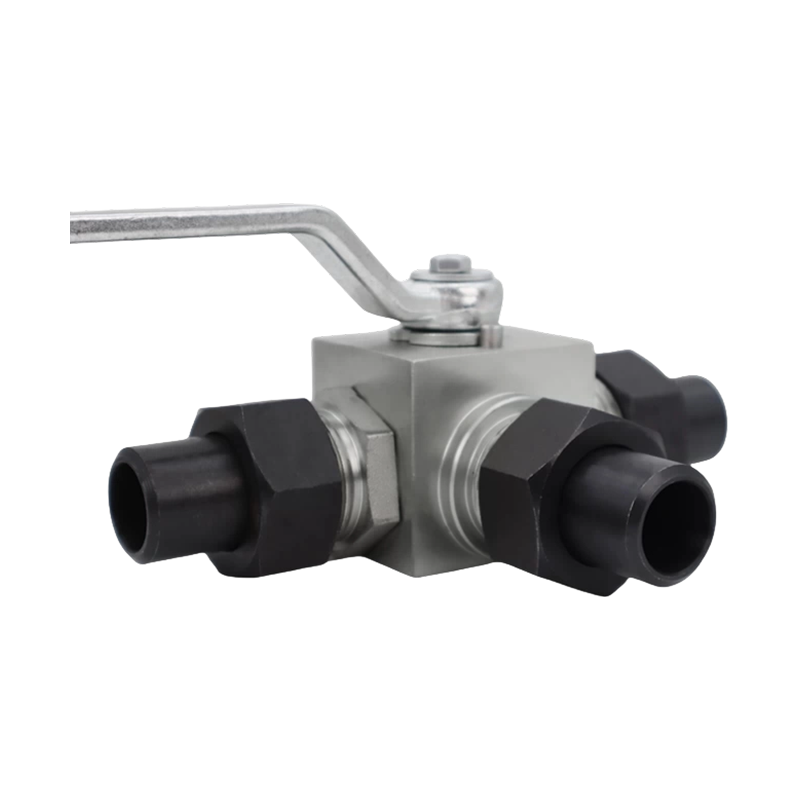
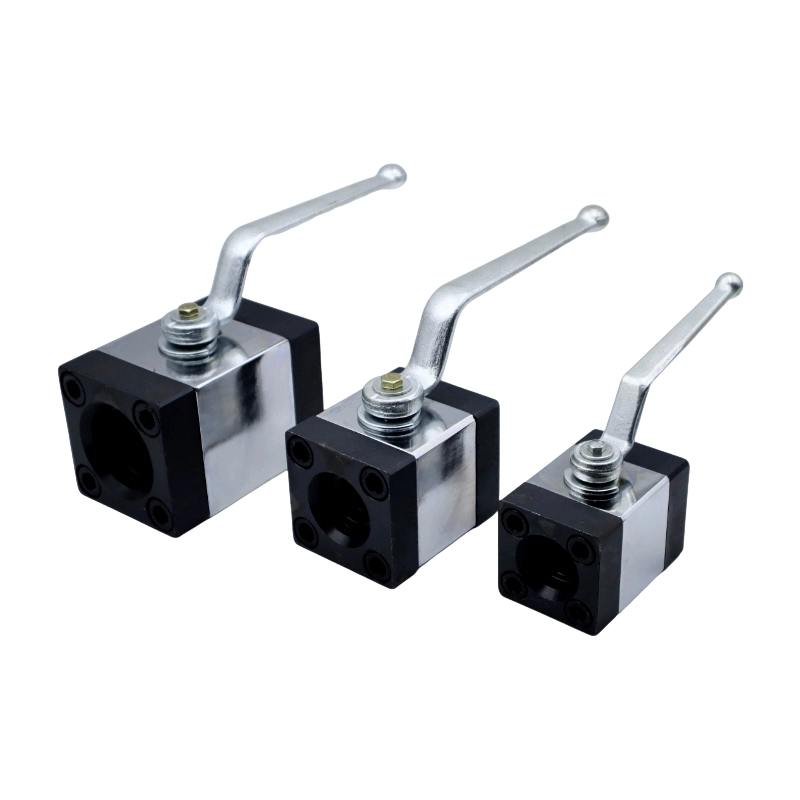
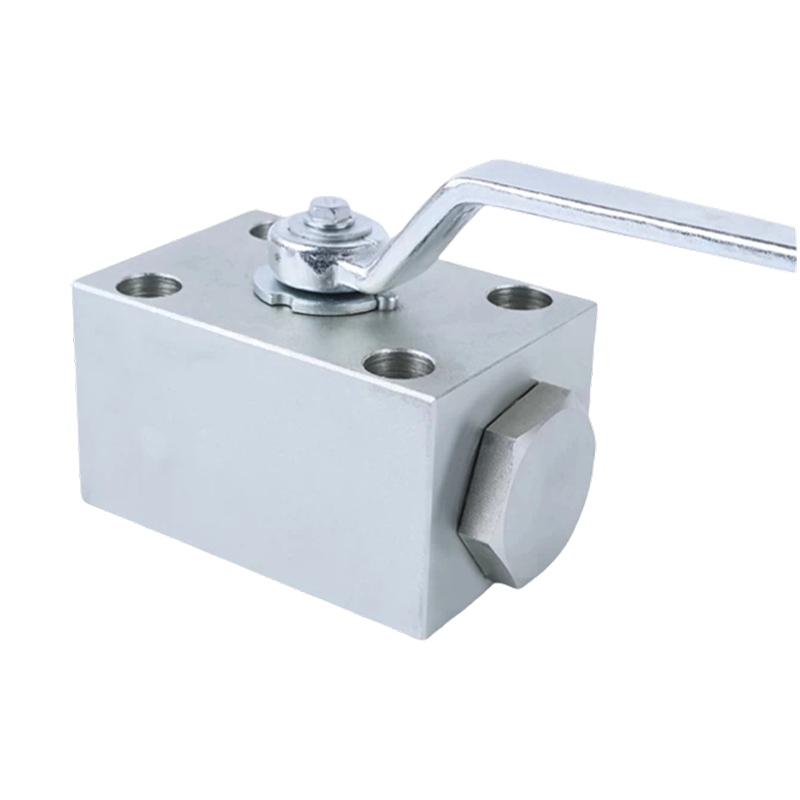
Ball valve: The operation is very straightforward. Its handle is usually a long lever, and you only need to rotate it 90 degrees (a quarter turn) to switch from fully open to fully closed.
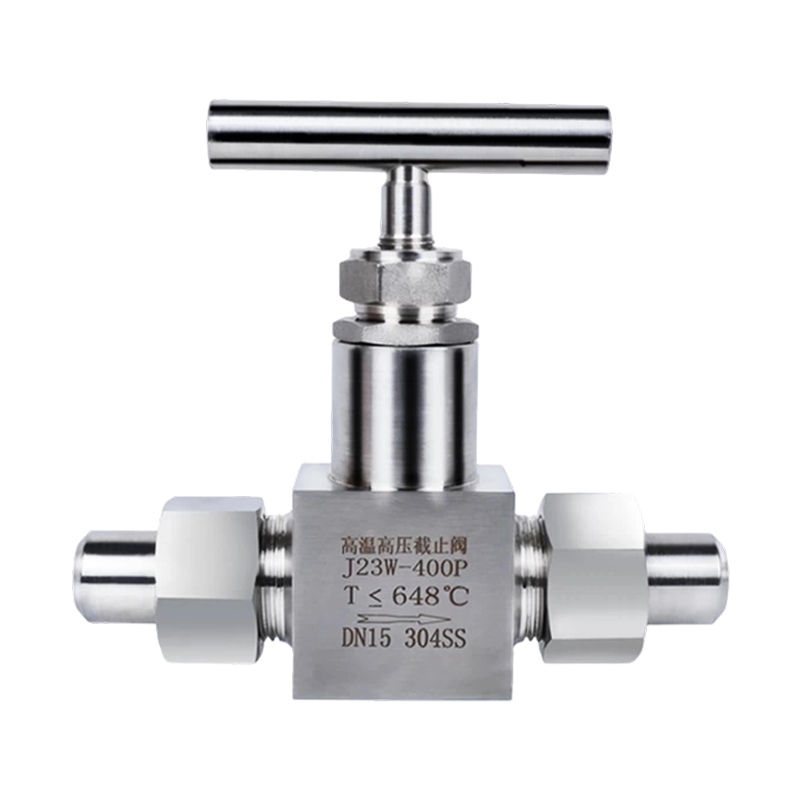
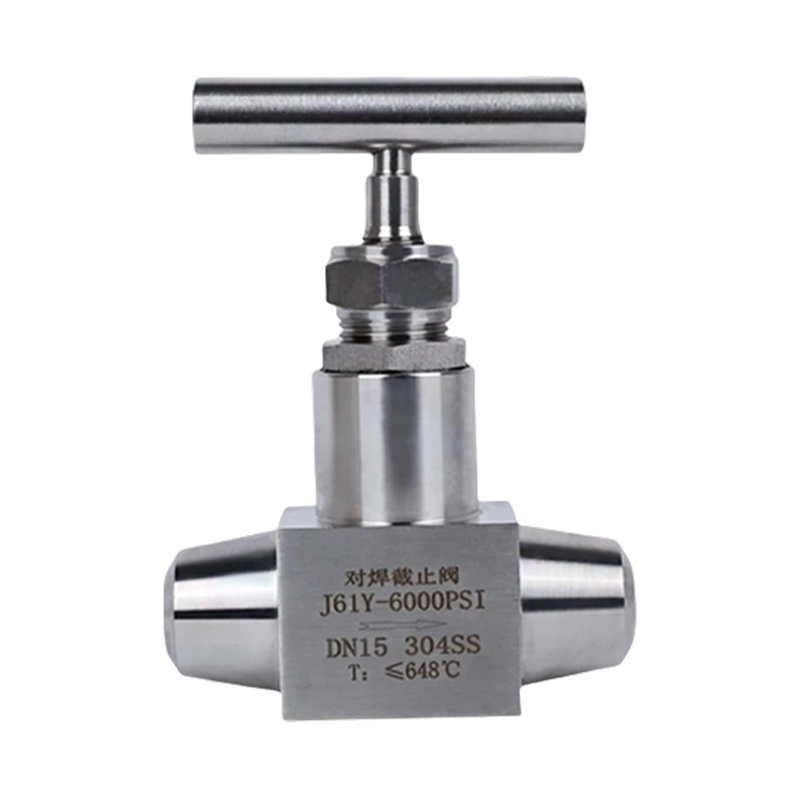
Ordinary valve: Many ordinary valves have a round handwheel on top, and you need to turn it several times like unscrewing a bottle cap to close it. Although this allows you to adjust the water flow gradually, it's not very fast when you need to shut off the water quickly.
Ball valve: The core is a ball with a hole. When open, the hole faces the pipe; when closed, the ball rotates to block the flow. The structure is simple, and things are less likely to get stuck inside.
Ordinary valve: The interior usually has a part like a plug or gate that moves up and down to block the passage. Because there are many twists and turns inside, the fluid flow is not as smooth.
Ball valve: Its sealing ring usually tightly encloses the ball. Even after many opening and closing cycles, or if there are some impurities in the pipe, the surface of the ball is not easily scratched, resulting in a tighter seal and less leakage.
Ordinary valve: Because it relies on a plug pressing down to seal, the gasket under the plug is prone to deformation or scaling over time, and leaks are more common than with ball valves.
Ball valve: Because the handle is long, sufficient space is needed on the side for the handle to swing through the 90-degree arc.
Ordinary valve: The handwheel rotates directly above the valve, not occupying space on the side, making it suitable for installation in narrow spaces.
Ball valve: When fully open, the inside of the valve is a straight tube, and the water flow experiences almost no resistance, with virtually no pressure loss. Standard valves: When water flows through them, it usually has to make a turn before exiting, which consumes some of the momentum. The force of the water flowing out may therefore be slightly reduced.
Рекомендуемые продукты
Авторское право © Yancheng Yanye Hydraulic Parts Co., Ltd. Все права защищены




 English
  русский
  Español